Table of Contents
ToggleThe world of packaging is changing faster than ever. As we move into 2026, businesses need to stay ahead of the curve to meet evolving consumer expectations, environmental standards, and technological innovations. Packaging is no longer just about protecting products. It’s a key part of branding,sustainability, and customer experience.

Small businesses, in particular, are exploring sustainable packaging materials for small businesses to reduce their environmental impact while appealing to eco-conscious consumers. From eco-friendly materials to smart designs, the trends emerging now will define how products are presented, perceived, and remembered in the future.
In this blog, we’ll explore the top 7 packaging trends that will shape 2026 and beyond, helping brands of all sizes prepare for the future with practical insights and innovative ideas.
Packaging Trends 2026 Why the Industry Is Rapidly Changing
The packaging industry is evolving at an unprecedented pace. Businesses are no longer just concerned with keeping products safe during shipping. They must also consider sustainability, customer experience, and technological innovation. Consumers today expect packaging that is not only functional but also environmentally responsible and engaging.
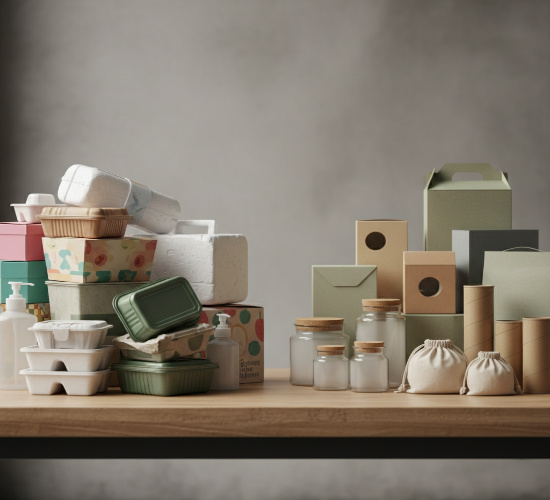
Environmental concerns are becoming a major driver of change. Many companies are now aware of the environmental impact of food packaging and are looking for ways to reduce waste and carbon footprints. At the same time, customers prefer products that are easy to open, use, and store, making designs like frustration-free vs standard packaging an important consideration.
In addition, technology is transforming packaging. From smart labels to digital tracking, brands are finding new ways to connect with consumers while ensuring safety and compliance. These shifts are shaping the packaging trends we’ll see dominating 2026, giving businesses both challenges and opportunities to innovate.
Trend 1: Sustainable & Eco-Friendly Packaging Becomes the Standard
Sustainability has become more than just a buzzword. It’s now a core expectation for brands in 2026. Consumers are increasingly choosing products that come in eco-friendly packaging, and businesses are responding by using materials that are recyclable, biodegradable, or made from renewable resources.
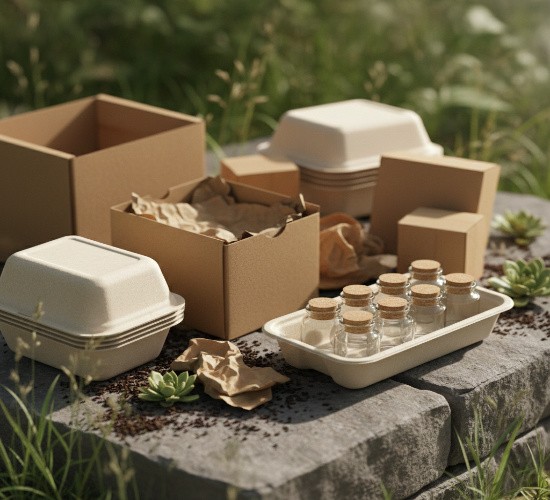
Switching to sustainable packaging not only helps the environment but also strengthens brand loyalty and trust.For example, clothing brands are exploring eco-friendly packaging materials for clothing that reduce waste and appeal to environmentally conscious shoppers.
Food businesses are also embracing green solutions; bakeries, for instance, can benefit from eco-friendly packaging ideas for bakeries that use compostable or recyclable materials.Reducing plastic is a critical part of this trend. Brands are looking into sustainable solutions to plastic packaging, like using paper-based alternatives, plant-based plastics, or reusable containers.
These materials minimize the negative impact on the environment while still keeping products safe and visually appealing.By adopting sustainable packaging strategies, businesses can stay ahead of regulations, meet consumer demand, and demonstrate a genuine commitment to protecting the planet. This makes eco-friendly packaging one of the most important trends for 2026 and beyond.
Trend 2: Smart Packaging and Digital Integration
Technology is transforming packaging like never before. In 2026, more brands are using smart packaging to connect with consumers, improve product tracking, and enhance the overall experience. Features like QR codes, NFC tags, and digital labels allow customers to access product information instantly, while brands can track shipments, verify authenticity, and even gather feedback.
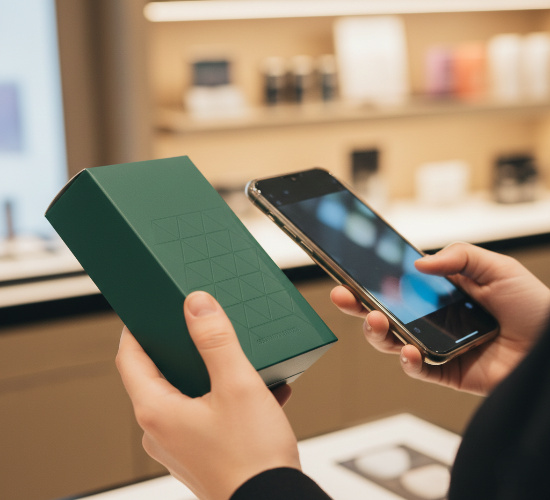
Product labeling plays a crucial role in this trend. Understanding why product labeling is so important in branding helps businesses create packaging that not only informs but also engages customers. Smart labels can include interactive elements, loyalty program access, or even augmented reality experiences, making packaging a part of the marketing strategy itself.
Retail packaging is also evolving to support these technologies. Brands can design custom retail boxes with integrated digital features, creating a seamless connection between the physical product and the digital world. This not only enhances the customer experience but also strengthens brand recognition and trust.
By combining technology with thoughtful design, smart packaging is set to redefine how products are presented and experienced, making it one of the most exciting trends shaping 2026.
Trend 3: Minimalist Packaging with Premium Appeal
Less is often more, and in 2026, minimalist packaging is taking center stage. Brands are moving away from cluttered designs and heavy materials, focusing instead on clean, simple packaging that communicates quality and sophistication. Minimalist packaging not only looks elegant but also reduces material usage, supporting sustainability goals.
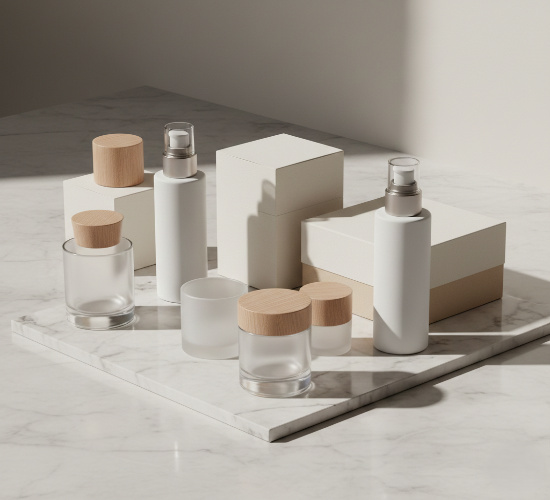
The beauty industry provides some great examples. Many brands are following the guidance of the custom cosmetic packaging guide for modern beauty brands to create simple yet luxurious packaging that attracts customers and enhances brand identity. Similarly, eco-conscious cosmetic companies are exploring eco-friendly cosmetics packaging ideas to combine sustainability with minimalist design.
Minimalist packaging isn’t limited to beauty products. Across industries, this approach creates a premium feel while reducing waste and production costs. By focusing on simplicity, clear messaging, and high quality materials, brands can make their products stand out on the shelf and appeal to modern consumers who value both aesthetics and responsibility.
Trend 4: AI-Driven & Automated Packaging Solutions
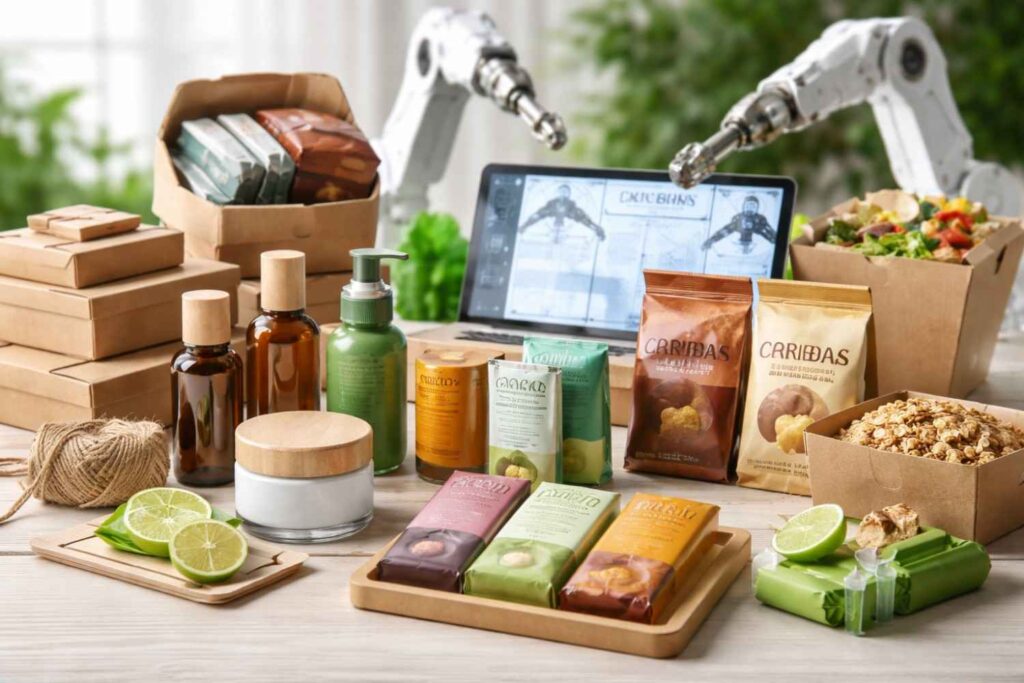
Automation and artificial intelligence (AI) are changing the way products are packaged. In 2026, brands are using AI to design packaging more efficiently, predict consumer demand, and reduce waste. Automated systems in factories allow for faster production, consistent quality, and cost savings, helping businesses stay competitive.

Cost management is a major advantage of AI-driven packaging. By learning how to optimize materials and reduce errors, companies can better manage their packaging design costs while still creating attractive, functional packages. Understanding how much packaging costs becomes easier with AI, allowing brands to plan budgets more accurately and allocate resources efficiently.
Automation also enables mass customization. Short-run digital printing and automated labeling make it possible to create personalized packaging without slowing down production. By combining AI and automation, brands can produce innovative, sustainable, and cost-effective packaging solutions that meet the demands of 2026 and beyond.
Trend 5: Customization & Personalization at Scale
Personalized packaging is becoming a major trend in 2026. Consumers love products that feel unique and tailored just for them, and brands are finding creative ways to meet this demand. From custom labels to special designs, personalization allows companies to stand out and connect with customers on a deeper level.
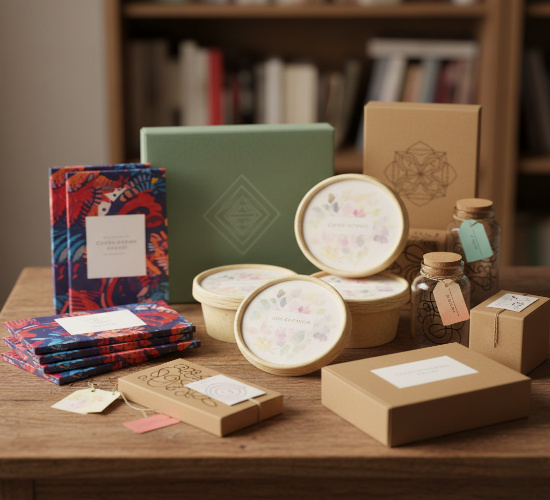
Apparel brands, for example, are creating t-shirt packaging ideas that feel personal and memorable, enhancing the unboxing experience. Food businesses are also joining the trend of ideas for custom chocolate bar packaging or mushroom chocolate bar packaging that highlights the brand story and product uniqueness. Restaurants can even use custom food packaging for restaurants to create a premium experience for takeout and delivery.
Digital printing and short-run production make it easier than ever to offer personalized packaging at scale. By embracing customization, brands can boost loyalty, enhance brand identity, and create a memorable experience that keeps customers coming back, making this one of the most exciting packaging trends of 2026.
Trend 6: Reusable & Refillable Packaging Models
In 2026, more brands are embracing reusable and refillable packaging to reduce waste and promote sustainability. Instead of single-use containers, products are designed to be used multiple times or easily refilled, helping both the environment and the brand’s reputation. Reusable packaging is not only eco-friendly but also appeals to consumers who want to make responsible choices.
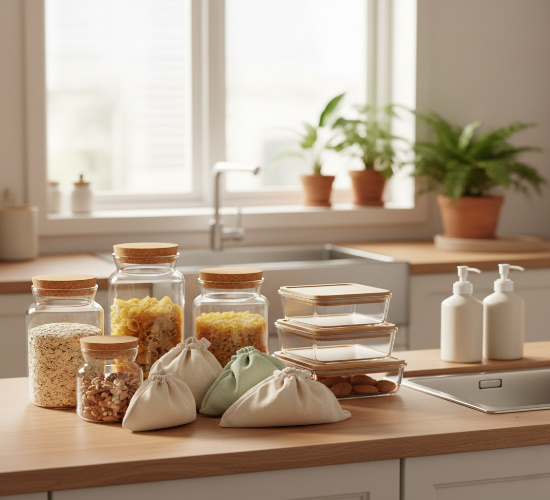
For example, businesses are finding ways to reduce food packaging waste for sustainability by offering refillable containers. Beauty products like soaps can come in custom soap box packaging designed for reuse, while bakeries are exploring custom bakery boxes packaging that customers can repurpose or return.
Subscription models and closed-loop systems are also growing in popularity. By adopting reusable and refillable packaging, brands can cut costs in the long term, foster customer loyalty, and make a meaningful environmental impact. This trend combines sustainability with practicality, making it one of the most important packaging strategies for 2026 and beyond.
Trend 7: Regulatory-Driven Packaging Innovations
As the packaging industry evolves, regulations are becoming stricter around materials, labeling, and environmental impact. In 2026, brands will need to pay closer attention to compliance to avoid penalties and maintain consumer trust. Regulatory-driven innovations ensure that packaging not only protects products but also meets legal and sustainability standards.
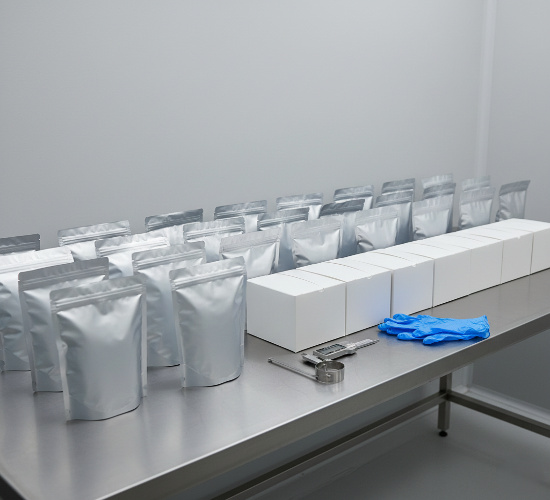
Food packaging is a key area affected by regulations. Companies are realizing the importance of food packaging for both safety and compliance. Similarly, coffee brands can benefit from guides like tips for how to choose the best coffee packaging to meet industry standards while keeping products fresh. Choosing the right packaging material for your product is also essential to comply with global safety and sustainability rules.
By staying ahead of regulations and adapting packaging designs accordingly, brands can reduce risks, improve consumer confidence, and align with sustainability goals. Regulatory driven innovation is therefore not just a requirement. It’s an opportunity to showcase responsible and forward thinking brand practices.
How These Packaging Trends Will Impact Businesses in 2026 and Beyond
The packaging trends of 2026 will have a significant impact on businesses across industries. Companies that adopt sustainable, smart, and personalized packaging can enjoy stronger brand loyalty, increased sales, and a competitive edge. On the other hand, those that ignore these trends risk losing customers to brands that prioritize innovation and responsibility.
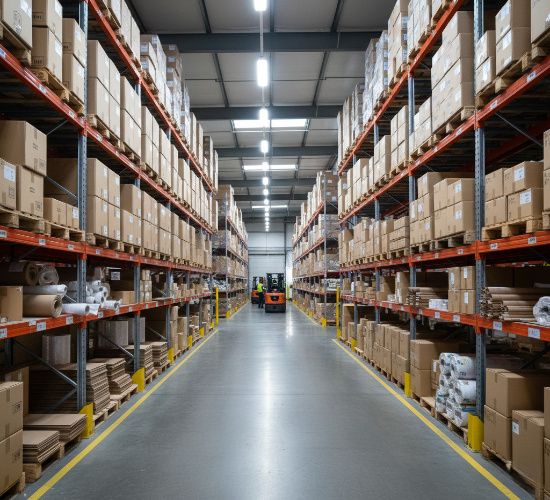
Cost and efficiency are important factors. Choosing between materials like cardboard and plastic affects both expense and sustainability. Understanding cardboard vs plastic storage boxes helps businesses make informed decisions. Proper storage is also key to maintaining product quality and operational efficiency, which can be optimized by following guides on the best way to store cardboard boxes.
Measuring packaging correctly is another crucial step to reduce shipping costs and waste, as explained in how to measure a box for shipping. By embracing these trends, businesses can not only reduce costs and environmental impact but also create packaging that resonates with consumers. Forward thinking companies will turn packaging into a tool for sustainability, brand growth, and operational excellence in 2026 and beyond.
How Brands Can Prepare for Packaging Trends 2026
Preparing for the packaging trends of 2026 requires planning, creativity, and a focus on both sustainability and customer experience. Brands should start by auditing their current packaging to identify areas for improvement and opportunities to adopt new materials and technologies.

Food businesses, for example, can refer to the bakery products packaging guide to choose the right solutions for safety, sustainability, and branding. Small businesses selling handmade items can get inspiration from packaging ideas for handmade candles, while retail brands can enhance their presentation with custom retail box design.
Considering the customer experience is also essential choosing frustration-free vs standard packaging ensures products are easy to use and loved by consumers. Investing in smart solutions, sustainable materials, and personalized designs now will allow brands to stay competitive, reduce environmental impact, and build long-term customer loyalty. By preparing today, companies can fully embrace the packaging trends that will define 2026 and beyond.
FAQs About Packaging Trends 2026
Q1: What are the biggest packaging trends for 2026?
Q2: How can brands reduce the environmental impact of packaging?
Q3: What are some examples of innovative packaging for food products?
Q4: Why is packaging design important for branding?
Q5: How can businesses optimize packaging for cost and efficiency?
Conclusion
The packaging trends of 2026 are shaping the future of how products are presented, perceived, and experienced. From sustainable and eco-friendly materials to smart digital solutions, minimalist designs, and reusable packaging, these innovations are helping brands stay competitive while meeting consumer expectations.
For inspiration, businesses can explore creative ideas like t-shirt packaging ideas or sustainable solutions in the food industry with eco-friendly packaging ideas for bakeries.By embracing these trends and preparing in advance, brands can improve sustainability, enhance the customer experience, and build stronger brand loyalty. In 2026 and beyond, thoughtful packaging will not just protect products.it will tell a story, create connections, and set successful businesses apart from the rest.

Meet Mary K, the talented author behind PackPaa. With a passion for innovative packaging solutions, Mary shares insights and expertise to elevate your business.