

Table of Contents
ToggleE-vapes and cigarettes are used across the world, but one important part is often overlooked is their packaging and design. Packaging is not just a box or cover. It plays a key role in product safety, brand identity, legal compliance, and customer attraction. As the vaping and tobacco industries continue to grow globally, the demand for well-designed, secure, and informative packaging has also increased. E-vapes packaging is usually modern and innovative.
It is designed to protect delicate devices like disposable vapes, pods, cartridges, and vape pens while also appealing to a younger and tech-focused audience. On the other hand, cigarette packaging follows a more traditional structure, such as hard packs, soft packs, flip-top boxes, and cartons, and is strongly influenced by government regulations and health standards.
Different regions of the world use different packaging styles based on laws, consumer preferences, and market trends. For example, North America and Europe focus heavily on compliance and branding, while Asia and the Middle East show rapid growth and variation in packaging formats.
What Is E-Vapes Packaging?
E-vapes packaging refers to the outer box or container that holds and protects e-vape products such as disposable vapes, vape pods, vape pens, and cartridges. It is the first thing a customer sees before using the product. This packaging is designed not only to hold the vape securely but also to present the brand, share product information, and meet legal requirements.
E-vape packaging is important because e-vape devices are delicate and sensitive. Without proper packaging, these products can be damaged during shipping, storage, or retail handling. Good packaging keeps the product safe from dust, moisture, heat, and physical damage. It also helps prevent leaks and protects internal components like batteries and cartridges.
Safety is another major reason why e-vape packaging matters. Many regions require child resistant packaging and clear warning information to ensure responsible use. At the same time, packaging helps brands follow local and international regulations, which is essential for selling e-vape products legally.
From a branding point of view, e-vapes packaging plays a powerful role. Modern designs, quality materials, and clear labeling help brands stand out on shelves and build trust with customers. In short, e-vapes packaging combines protection, safety, branding, and compliance, making it a vital part of the vaping industry.
Types of E-Vapes and Packaging
Disposable E-Vapes

Disposable e-vapes are single-use vaping devices that come pre-filled and ready to use. They do not need charging or refilling, which makes them very popular among beginners and casual users. Once the device is empty, it is safely disposed of. Packaging for disposable e-vapes is usually simple but attractive. Most brands use folding carton boxes because they are lightweight, cost-effective, and easy to print.
For retail stores retail display boxes are also common. These boxes help organize multiple units and make the product more visible on shelves. This type of packaging is suitable because it protects the device, keeps it clean, and allows brands to display clear product details while improving shelf appeal.
- Often include tamper-evident seals to ensure product safety
- Packaging must clearly show flavor, nicotine strength, and usage warnings
- High demand requires cost-efficient bulk packaging for wholesalers
- Packaging design strongly influences impulse buying
- Environmental concerns are increasing the need for recyclable materials
Vape Pods

Vape pods are small, refillable or pre-filled units that work with pod-based vape devices. They are compact and designed for users who want a balance between convenience and performance. Packaging for vape pods focuses on protection and organization. Brands often use compact printed boxes that fit the small size of the pods. Inside the box, protective inserts are added to prevent movement and leakage.
This packaging keeps pods safe during shipping and gives customers a neat, premium unboxing experience while helping brands present information clearly.
- Packaging must separate multiple pods clearly inside one box
- Clear labeling helps users identify compatible devices
- Leak-proof inner packaging reduces returns and complaints
- Compact packaging saves space in retail and shipping
- Premium pod brands use packaging to show quality and purity
Vape Pens

Vape pens are slim, rechargeable devices that offer more control and longer use compared to disposables. They are often chosen by regular users who prefer a simple but reliable vaping option. Packaging for vape pens is usually designed in a long box format to match the shape of the device.
Many brands also choose rigid or sleeve-style packaging to add a premium feel. This packaging protects the pen from damage, enhances the product’s value, and helps brands create a strong and professional image.
- Packaging often includes space for chargers or accessories
- Strong outer boxes protect battery components
- Premium packaging supports gift-style presentation
- Clear instructions on packaging reduce user errors
- High-quality packaging increases brand loyalty
Vape Cartridges

Vape cartridges are small containers filled with e-liquid or oil that attach to vape devices. They are sensitive and require extra care. Packaging for vape cartridges uses small, secure boxes that prevent leakage and damage. In many regions, child-resistant packaging is required to ensure safety. This packaging builds trust, meets legal rules, and shows the brand’s responsibility toward customer safety.
- Packaging must protect against heat and pressure changes
- Clear batch and expiry information is important for compliance
- Secure packaging reduces the risk of counterfeit products
- Child-resistant designs vary by regional laws
- Proper packaging increases consumer trust in product safety
Global Usage of E-Vapes Packaging
E-vapes packaging is used worldwide, but the design, materials, and labeling often change from one region to another. These differences mainly depend on local laws, consumer preferences, and market trends. Brands that understand regional needs are more successful in global markets. In North America, especially in the United States and Canada, e-vapes packaging is highly regulated. Packaging must include clear warning labels, product information, and in many cases, child-resistant features.
Brands in this region focus on clean designs, strong branding, and compliance with safety standards. Retail-ready and display packaging is also common due to strong competition in stores. In Europe, e-vapes packaging follows strict rules under regional tobacco and vaping regulations. Packaging often uses minimal designs, clear labeling, and eco-friendly materials. Sustainability is a growing focus, and many brands prefer recyclable and reduced-material packaging to meet environmental goals.
The Asia-Pacific region shows fast growth in the e-vapes market. Packaging here is more flexible and innovative, with a strong focus on visual appeal and compact designs. Countries like China, Japan, and South Korea use modern packaging styles for both local sales and export markets.
In the Middle East, e-vapes packaging must meet cultural guidelines and import regulations. Durable, premium-looking packaging is preferred, especially for retail and wholesale distribution. Overall, global e-vapes packaging continues to evolve with changing laws and consumer demand.
What Is Cigarette Packaging?
Cigarette packaging refers to the boxes, packs, and outer cartons used to store, protect, and sell cigarettes. It is designed to keep cigarettes fresh, safe, and organized while also meeting legal and branding requirements. Cigarette packaging plays a very important role in the tobacco industry.
First, it protects cigarettes from moisture, damage, and breakage during transportation and storage. Second, it ensures safety and compliance with government regulations, such as health warnings and standardized pack sizes.Third, packaging helps companies manage bulk supply for retailers and wholesalers around the world.
For cigarette companies, packaging is not only a container it is a business tool. It supports product handling, improves shelf organization, and helps retailers sell efficiently. Strong, well-designed packaging, and eco-friendly packaging also builds trust and ensures consistency across global markets. Cigarette packaging connects manufacturers, distributors, retailers, and customers in a smooth and reliable way.
Types of Cigarettes and Packaging
Traditional Cigarettes
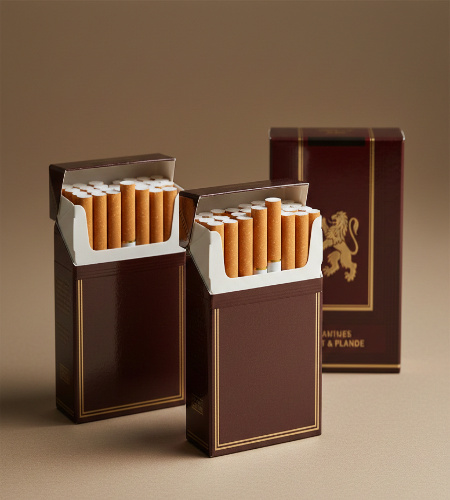
Traditional cigarettes made of tobacco wrapped in paper with a filter, are the global standard for regular smokers. They are typically sold in fixed quantities of 10 or 20. These cigarettes use hard packs constructed from durable cardboard with an internal foil lining. This design effectively shields the product from air and moisture while preventing crushing during transit. Their rigid structure makes them ideal for stacking and retail display.
- Commonly used for premium and mid-range cigarette brands
- Supports automated packing and sealing processes
- Maintains consistent pack shape across long storage periods
- Works well with tamper evident seals
- Preferred for markets with strict retail display standards
Soft Pack Cigarettes

Soft pack cigarettes offer a flexible alternative to rigid boxes, utilizing a lightweight, paper-based exterior. This design is favored in specific regions because it is portable and fits easily into pockets. While the soft outer layer and foil wrap provide less physical protection against bending than hard packs, they remain a cost-effective manufacturing choice. They are highly convenient for daily use and remain popular across many international markets today.
- Often chosen for budget-friendly cigarette lines
- Uses fewer materials, reducing overall packaging cost
- Allows quicker production cycles for manufacturers
- Common in regions where flexibility and portability matter more than durability
- Easier to compress during personal carrying
Slim Cigarettes

Slim cigarettes feature a thinner diameter than standard versions, catering to users seeking a premium, stylish aesthetic and a lighter experience. The packaging is specifically engineered to be taller and narrower to match the product’s sleek profile. Internal inserts keep the delicate cigarettes aligned and protected from damage. This specialized packaging reinforces a high end brand image, making them particularly successful in luxury retail environments and competitive international markets.
- Frequently marketed toward lifestyle-focused consumers
- Packaging allows creative vertical design layouts
- Requires precise internal spacing to avoid breakage
- Often paired with matte or textured packaging finishes
- Supports brand differentiation in crowded markets
Menthol and Flavored Cigarettes

Menthol and flavored cigarettes incorporate additives to provide a cooling sensation or distinct taste profiles. Their availability is often dictated by regional regulations and specific consumer trends. Packaging for these products typically mirrors standard formats but utilizes vibrant color schemes and unique finishes to signify different flavors. This strategic design helps manufacturers distinguish various product lines while ensuring they remain compliant with strict global health labeling and legal requirements.
- Packaging helps consumers quickly identify flavor variants
- Often requires additional compliance checks during export
- Color consistency is important for brand recognition
- Packaging must prevent flavor contamination between variants
- Used to segment products by taste preference
Cigarette Cartons

Cigarette cartons serve as the primary unit for wholesale distribution rather than individual consumer purchase. Each carton bundles multiple packs together to streamline shipping and inventory management. Constructed from heavy-duty materials, these cartons provide the essential structural integrity needed for long-distance transport. They are vital for the global supply chain, allowing manufacturers and retailers to handle large volumes efficiently while protecting the product from environmental damage.
- Designed for pallet stacking and container loading
- Often includes tracking or batch identification markings
- Helps reduce handling time in warehouses
- Supports bulk taxation and customs processing
- Minimizes pack-level damage during long shipments
Global Variations in Cigarette Packaging
Cigarette packaging design is driven by regional laws, consumer habits, and logistical needs. In North America, focus is placed on durability and legal compliance through standardized hard packs and cartons. Conversely, European markets emphasize uniform formats and compliance, often utilizing slim packaging for premium and lifestyle consumer segments.
In Asia, packaging supports massive production volumes, utilizing both hard and soft packs to accommodate extensive distribution networks.
Similarly, The Middle East prioritizes product protection, using heat-resistant materials and secure cartons to withstand long-distance shipping in warmer climates.
In Africa, the industry favors cost-effective soft packs and standard hard packs to ensure affordability and support regional trade.
Finally, In South American packaging balances cost efficiency with protection to facilitate domestic sales and cross-border trade. Across these diverse regions, packaging remains a vital tool for global trade, regulatory adherence, and product integrity.
Conclusion
E-vapes and cigarette packaging play a vital role in the global tobacco and vaping industry. Packaging is not just used to contain the product; it protects it, supports safe handling, meets legal requirements, and adds value to the brand. From disposable e-vapes and refillable devices to slim cigarettes and bulk cartons, each product needs packaging that fits its size, use, and market demand E-vape packaging focuses on safety, portability, and modern design.
It protects sensitive devices, prevents leaks, and helps brands stand out in a competitive market. Cigarette packaging, while more standardized, is equally important. Hard packs, soft packs, slim packs, and cartons each serve a clear role in retail display, storage, and global distribution. Although packaging styles differ by region due to laws and climate, the main goal remains the same protection, compliance, and efficiency. For businesses, choosing the right packaging is a strategic and essential decision.

Meet Mary K, the talented author behind PackPaa. With a passion for innovative packaging solutions, Mary shares insights and expertise to elevate your business.