Table of Contents
ToggleBakery products packaging plays a crucial role in the success of any bakery business. It is more than just wrapping bread, cakes, or pastries. it ensures that these perishable items stay fresh, safe, and visually appealing from the bakery to the customer’s hands. Proper packaging protects baked goods from dust, moisture, and physical damage, maintaining the quality and hygiene that customers expect.
Beyond protection, packaging communicates a bakery’s brand identity. Well-designed boxes, wrappers, and bags leave a lasting impression, encouraging repeat purchases and enhancing customer trust. Even small bakeries can benefit from investing in attractive and functional packaging that reflects professionalism and care.
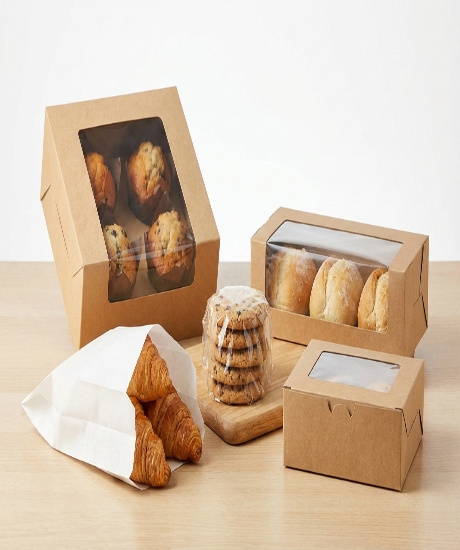
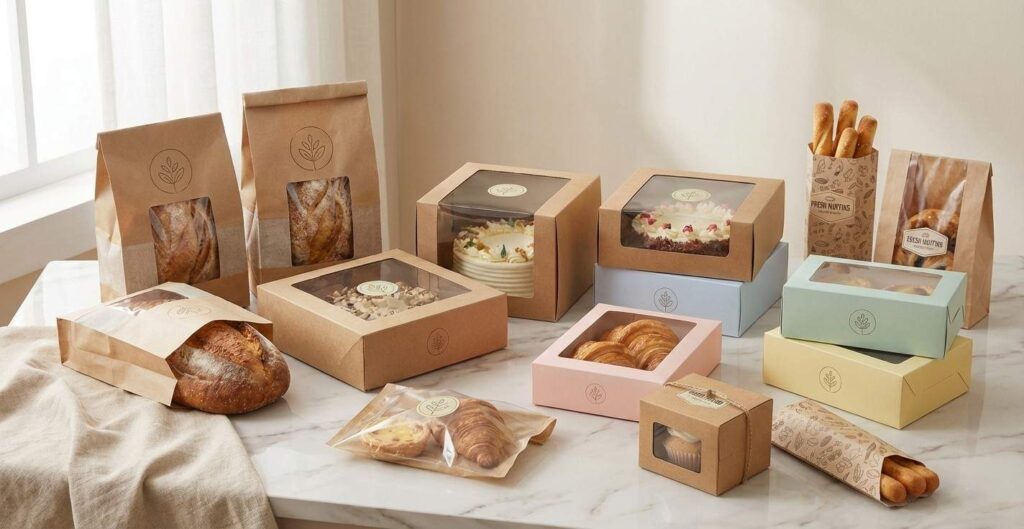
One popular solution many bakeries adopt is using custom bakery boxes. These boxes not only keep items secure during transport but also offer space for branding, colors, and logos that make products instantly recognizable. From small artisanal bakeries to large-scale operations, starting with proper bakery packaging sets the foundation for maintaining quality, building a strong brand image, and improving customer satisfaction.
How Packaging Preserves Freshness and Quality
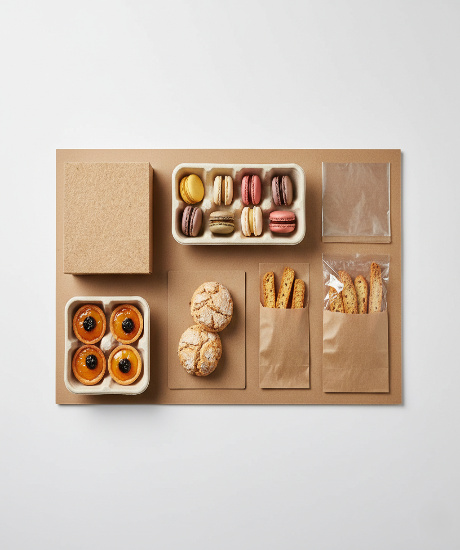
Freshness: Freshness is the most critical factor in bakery products packaging. Bakery items, such as bread, cakes, muffins, and pastries, are highly perishable. Without proper packaging, they can quickly lose aroma, softness, and flavor. Exposure to air, moisture, or contaminants can also lead to staleness or mold growth, which directly affects customer satisfaction and the bakery’s reputation.
Effective packaging: Effective packaging solutions help maintain the original taste, texture, and appearance of baked goods. Ventilated boxes allow air circulation, preventing condensation, while airtight plastic wraps or trays can lock in moisture and aroma. Combining these techniques ensures that bakery products remain soft, flavorful, and visually appealing for longer periods.
Sustainability: Sustainability can go hand-in-hand with freshness. Using eco-friendly packaging materials, such as biodegradable films or recyclable paper, not only protects products but also appeals to environmentally conscious customers. Bakeries that implement such packaging demonstrate care for both quality and the planet, creating positive customer perception.
Ultimately, preserving freshness and quality through smart packaging increases customer satisfaction, reduces product waste, and encourages repeat purchases. A well-packaged bakery item shows attention to detail, professionalism, and respect for the customer’s experience, which is just as important as the taste of the baked goods themselves.
Innovative Materials Used in Bakery Packaging
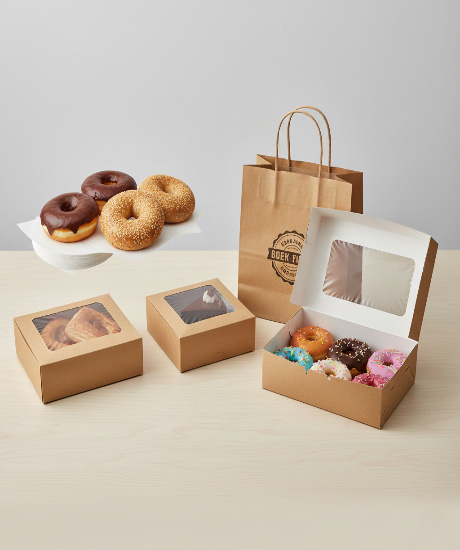
The choice of materials is a key factor in bakery products packaging. The right materials ensure that baked goods stay fresh, are safe to consume, and remain visually appealing. Modern bakeries have many options to choose from, ranging from traditional paper to advanced eco-friendly solutions.
Paper and cardboard: Paper and cardboard remain popular due to their strength, lightweight nature, and recyclability. They are ideal for cakes, cupcakes, and bread, providing sturdy protection without adding unnecessary weight. For businesses concerned about branding, these materials can also be easily printed with logos and designs.
Plastic wraps and trays: Plastic wraps and trays are another common choice, especially for products that benefit from visibility, like muffins or pastries. Transparent packaging allows customers to see the product clearly, which can encourage purchases while keeping the items protected from dust and moisture.
Biodegradable plastics: Biodegradable plastics and eco friendly films are gaining popularity as sustainability becomes a priority. These materials offer the benefits of traditional plastics while reducing environmental impact. Using such innovative options helps bakeries cater to eco conscious consumers.
Cost: Cost is an important consideration when selecting materials. Businesses can plan effectively by considering factors like durability, appearance, and practicality. Tools like packaging design cost can help bakeries maintain quality without overspending. Additionally, checking box dimensions ensures that each item fits perfectly, preventing damage during storage or transport.
Choosing the right material not only preserves freshness and safety but also supports branding, sustainability, and operational efficiency.
Functional Packaging Types for Bakery Products
Bakery products packaging serves multiple purposes beyond protection. It ensures safe transport, convenient storage, and an enjoyable customer experience. Understanding the different functional types helps bakeries choose the right packaging for each product.
Primary & secondary packaging
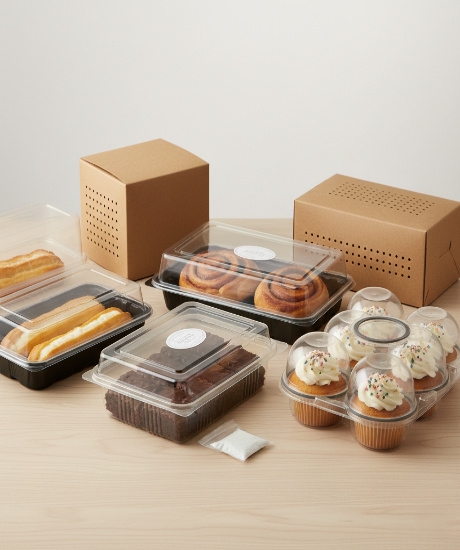
Primary packaging: Primary packaging directly touches the baked goods. Examples include cupcake wrappers, pastry bags, and small bread wraps. This packaging protects items from contamination and keeps them intact. For specialty items, bakeries often use donut packaging that is designed to hold delicate pastries securely while maintaining their shape.
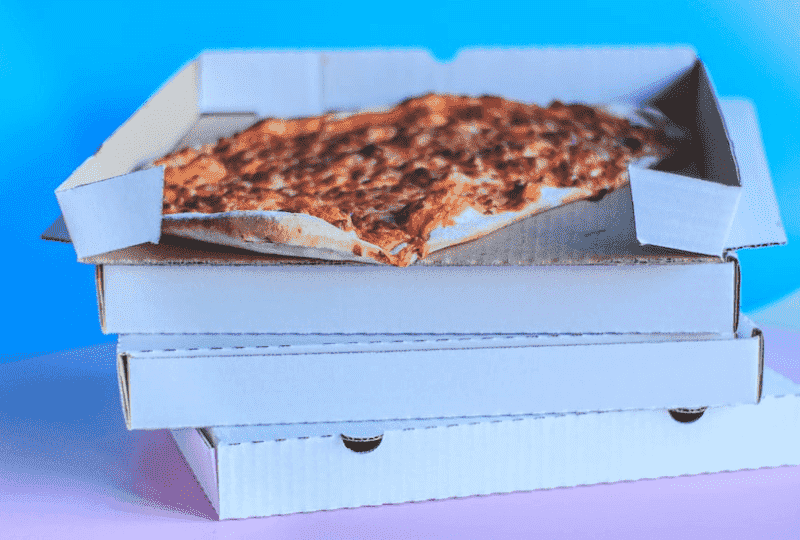
Secondary packaging: Secondary packaging is used to support and protect multiple primary packages. Boxes for cakes, bread loaves, or cookie sets fall into this category. These boxes are usually stronger and designed to withstand stacking or shipping. For instance, pizza box design illustrates how secondary packaging can combine durability with branding, ensuring both protection and customer appeal.
Takeaway and delivery packaging
Takeaway and delivery packaging is essential for bakeries that serve on-the-go customers. These packages are lightweight, sturdy, and easy to carry, preventing damage during transport. Features like handles, secure flaps, or reinforced bottoms make the packaging more practical. Choosing the right functional type ensures that bakery items remain fresh, safe, and presentable from the kitchen to the customer’s hands. It also enhances operational efficiency, reduces product damage, and strengthens brand recognition through well-thought-out packaging solutions.
Design and Visual Appeal in Bakery Packaging
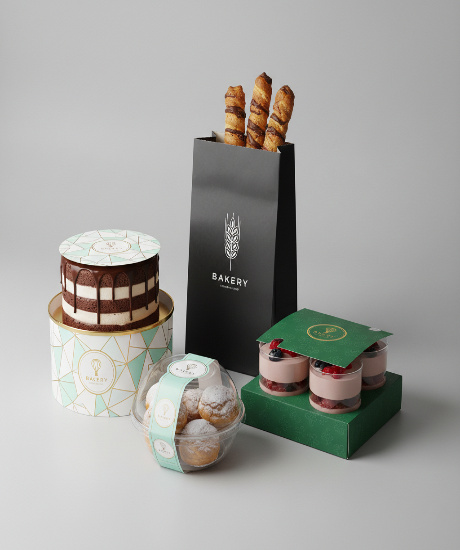
Design plays: Design plays a vital role in bakery products packaging. Attractive and well thought-out packaging can instantly grab a customer’s attention, influence their buying decision, and build a strong brand identity. Packaging is often the first interaction a customer has with a bakery, so it must make a positive impression.
Structural design: Structural design is essential for both aesthetics and practicality. Packaging should be sturdy, easy to open, and prevent damage during handling. Features like ventilation holes, reinforced edges, and grease-resistant coatings not only protect the product but also enhance its appearance on display.
Visual branding: Visual branding is equally important. Using eye catching colors, logos, and creative graphics helps customers recognize your bakery and differentiate it from competitors. Incorporating unique designs into packaging can communicate quality, professionalism, and the bakery’s personality. Bakeries can explore packaging design to ensure the packaging aligns with their brand strategy.
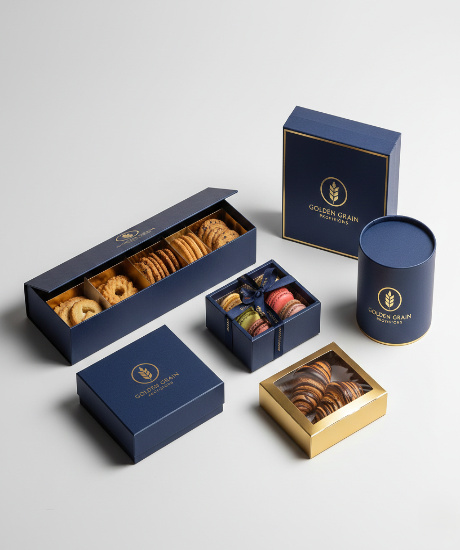
Custom printing: Custom printing also enhances visual appeal. Examples from other industries, like custom printing in fast food packaging, provide insights into effective design techniques. Applying these strategies in bakery packaging ensures products are visually attractive while maintaining functionality.
By focusing on both design and branding, bakeries can turn packaging into a marketing tool that increases customer engagement, encourages repeat purchases, and strengthens overall brand recognition.
Sustainable and Eco-Friendly Packaging Options
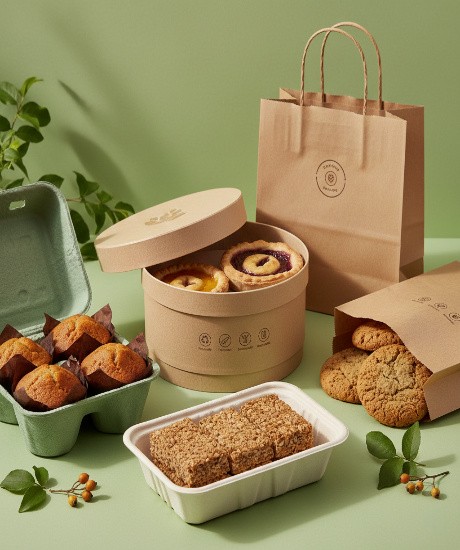
Sustainability: Sustainability is becoming a major consideration in bakery products packaging. Consumers are increasingly aware of environmental issues and prefer businesses that take steps to reduce waste and use eco-friendly materials. Adopting sustainable packaging not only helps the environment but also strengthens a bakery’s brand image and attracts environmentally conscious customers.
Eco-friendly: Eco-friendly options include biodegradable cardboard or paper, recyclable trays, and compostable plastics. These materials provide the necessary protection for bakery items while reducing environmental impact. For example, using materials with minimal plastic content or recycled fibers ensures products remain safe without adding waste.
Bakeries: Bakeries can benefit from understanding the eco benefits of such packaging. These advantages include lower carbon footprints, reduced landfill waste, and improved customer perception. Additionally, implementing strategies to reduce packaging waste, such as using the correct box sizes, reusable inserts, or compostable liners, further enhances sustainability.
Using sustainable packaging: Using sustainable packaging demonstrates that a bakery cares about more than profit. It reflects responsibility toward the environment, appeals to modern consumers, and often results in cost savings in the long term. Combining functionality, design, and eco-friendliness ensures that bakery packaging is effective, attractive, and environmentally responsible.
Packaging Challenges and Practical Solutions
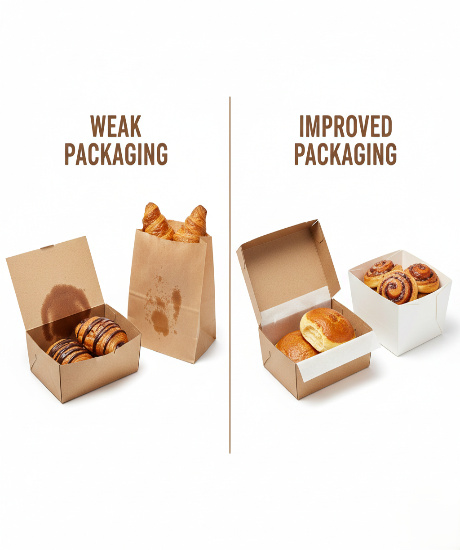
Bakery products packaging comes with its own set of challenges that can affect product quality, customer satisfaction, and operational efficiency. One common issue is transport damage. Boxes can crush, deform, or shift during delivery, leading to broken pastries or flattened bread. Similarly, grease leakage from oily items can stain boxes and create hygiene concerns. Another challenge is the short shelf life of baked goods, which requires packaging that protects freshness while remaining practical for storage and display.
To address these challenges, bakeries can adopt several solutions. Using sturdy packaging with reinforced edges and secure flaps prevents damage during transport. Implementing branding design ideas ensures the packaging is strong while also visually appealing. Additionally, adding liners or grease resistant coatings can prevent leakage. Clear and informative product labeling communicates freshness dates, ingredients, and handling instructions to customers, reducing confusion and improving satisfaction.
Practical, well thought out packaging not only protects bakery items but also builds trust with customers. By addressing these challenges proactively, bakeries can maintain quality, reduce waste, and create a professional, reliable experience for every customer.
Conclusion
Bakery products packaging is essential for freshness, protection, and brand recognition. Choosing the right materials, functional types, attractive designs, and sustainable options ensures bakery items remain safe and appealing. Thoughtful packaging strengthens customer trust, boosts sales, and helps bakeries succeed in a competitive market.

PackPaa’s editorial team turns packaging specifications, materials and production choices into practical guidance for growing brands. Every guide is reviewed for clarity, usefulness and accuracy before publication.