Table of Contents
ToggleChoosing the right storage box may seem simple, but it can make a significant difference in how well your belongings stay protected, organized, and preserved over time. Two of the most popular options cardboard storage boxes and plastic storage boxes each come with clear advantages and disadvantages.
Factors such as durability, cost, environmental impact, and the type of items you plan to store all play a major role in deciding which one fits your needs. In this guide, we’ll break down everything you need to know so you can make the best choice for your home, office, or storage space.
Overview of Cardboard Storage Boxes
What Are Cardboard Storage Boxes?
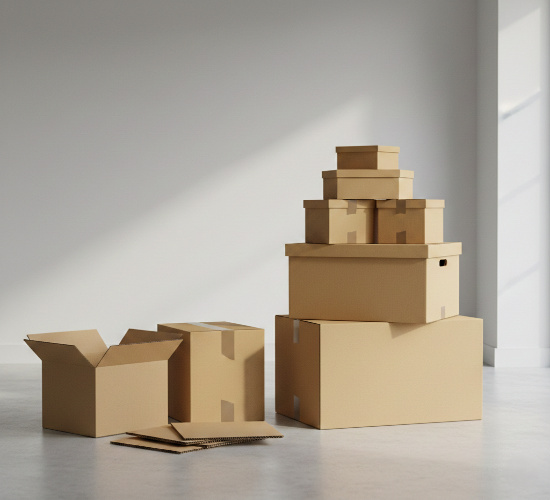
Cardboard storage boxes are typically made from corrugated cardboard, a sturdy and lightweight material used for everything from moving to organizing closets. They come in many shapes and sizes and are commonly used during relocations, for storing paperwork, or for keeping seasonal clothing. Because they are affordable and widely available, they are often the first choice for quick and simple storage needs.
Advantages of Cardboard Boxes
One of the biggest benefits of cardboard storage boxes is affordability. They are inexpensive, accessible, and available in bulk, making them perfect for moving or tackling large organizational projects. Cardboard boxes are lightweight, which makes them easy to carry and stack.
They can also be folded flat when not in use, saving valuable storage space. On top of that, cardboard is environmentally friendly. It is biodegradable, recyclable, and made from renewable materials. If sustainability is important to you, cardboard boxes are a great packaging option.
Disadvantages of Cardboard Boxes
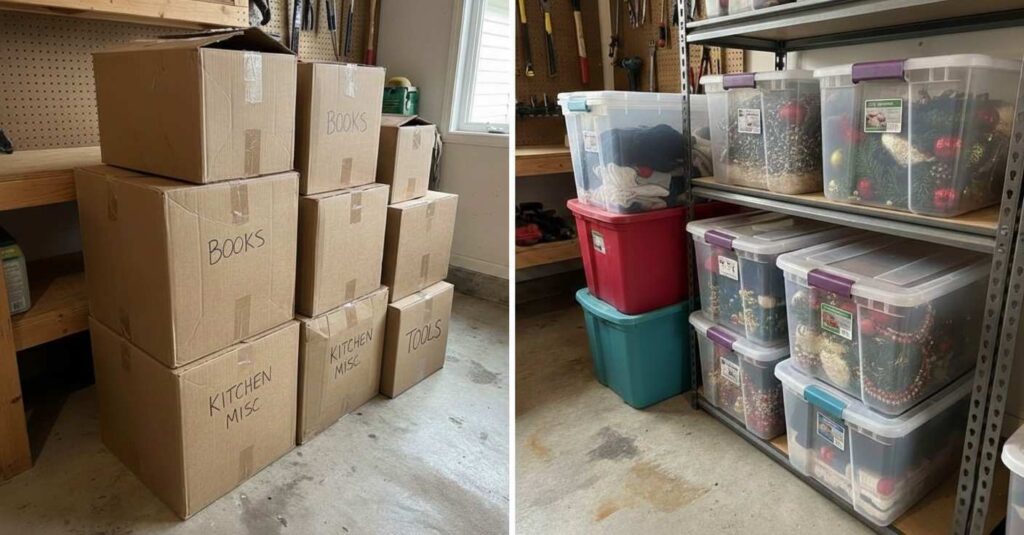
Cardboard boxes aren’t suitable for every storage situation. They are vulnerable to moisture, mold, and pests, which means they don’t perform well in garages, attics, or basements. They also have limited durability—especially when holding heavy items
Over time, cardboard can weaken, bend, or tear, reducing its lifespan. If you need long term or heavy duty storage, cardboard may not hold up as well as other options.
Overview of Plastic Storage Boxes
What Are Plastic Storage Boxes?
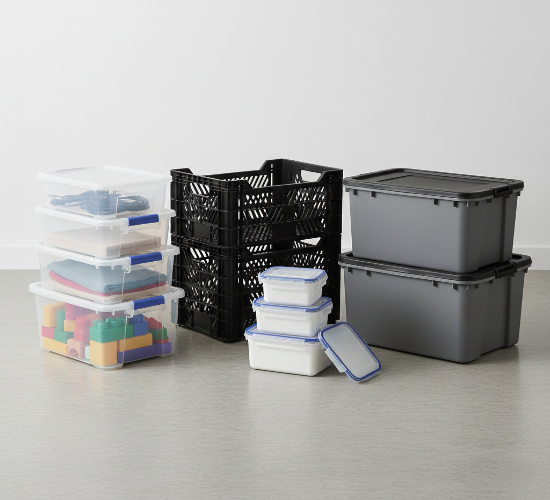
Plastic storage boxes are usually made of polypropylene or polyethylene, both of which are strong, moisture-resistant plastics. These boxes come in a wide range of designs transparent bins, stackable crates, airtight containers, and heavy-duty tubs. These are best for the soap packaging . Their versatility makes them suitable for home storage, office organization, and long term preservation.
Advantages of Plastic Boxes
Durability is the number-one advantage of plastic storage boxes. Unlike cardboard, plastic won’t tear, warp, or collapse under heavy weight. It can withstand moisture, dust, pests, and changes in temperature much better. Plastic containers protect your belongings in damp or unpredictable environments like basements, garages, and storage units.
Many plastic bins are transparent, allowing you to see what’s inside without opening them. This makes organizing and locating items easier.
Disadvantages of Plastic Boxes
Plastic boxes do have a few downsides They cost more than cardboard boxes, especially if you’re buying several. They also take up more space because they don’t fold or collapse. From an environmental perspective, plastic is less eco friendly.
Although many plastic bins are recyclable, they are not biodegradable and take much longer to break down. If environmental sustainability is a priority, this may be a drawback.
Head-to-Head Comparison
Durability
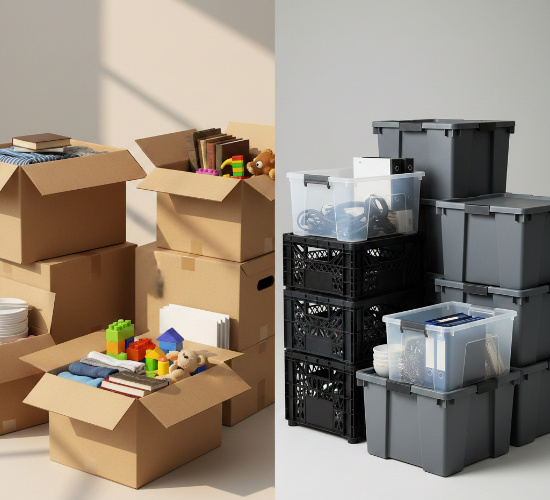
Plastic clearly wins in terms of durability. It can carry heavier loads, resist moisture, and last for years without weakening. Cardboard, while sturdy for short term use, cannot handle water exposure or heavy items. If you’re storing valuable or fragile belongings, plastic offers superior long-term protection
Cost
Cardboard is cheaper and a good choice if you are moving or storing many items. Plastic costs more at first, but it can be used for many years, so it can save money over time if you need something strong and durable. Cardboard is eco-friendly because it is biodegradable, easy to recycle, and often made from recycled materials.
Plastic is less friendly to the environment. Some plastic containers can be recycled, but not all types are accepted everywhere. However, plastic lasts a long time, so you don’t need to replace it often.
Storage Conditions
Storage environment is a major deciding factor: Cardboard boxes work well indoors in dry areas like closets, bedrooms, and offices. Plastic storage boxes are ideal for basements, garages, attics, and outdoor sheds where humidity or insects may be present.
Weight & Portability
The cardboard is lighter, making it easy to move around especially when full. Plastic containers are heavier but often have built in handles and structured shapes that make them easier to carry safely.
Aesthetic & Organization
Plastic boxes often provide a cleaner, more polished look. Transparent bins allow you to see contents instantly. Many also come with locking lids for extra security. Cardboard boxes can be labeled or decorated, making them good for customized or temporary storage solutions.
Types of Items Best Suited
- Cardboard: Clothing, books, toys, seasonal decorations, linens, office documents
- Plastic: Electronics, photos, tools, collectibles, kitchenware, important documents, long-term storage items
Best Use Cases
When to Choose Cardboard Storage Boxes
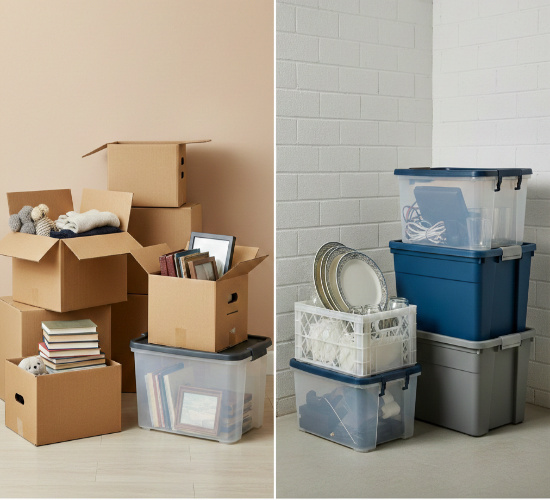
Cardboard is best for short-term, budget friendly, or indoor storage. If you’re moving to a new home or temporarily storing clothing and household items, cardboard boxes get the job done. They are also perfect for people who want an eco-friendly option or those who frequently rotate stored items.
When to Choose Plastic Storage Boxes
Plastic is ideal for long-term storage or for items that need extra protection. If you’re storing belongings in a damp basement or garage, plastic packaging is the safer choice. It’s also great for precious items such as electronics, family photos, or anything sensitive to moisture and dust.
A Hybrid Approach
Many people find that using both types of storage boxes works best. Use cardboard for lightweight, everyday items and plastic for valuable or fragile belongings. This balanced method gives you durability where needed and affordability everywhere else.
Conclusion
Both cardboard and plastic storage boxes serve valuable purposes, but the best choice depends on what you’re storing, how long you’re storing it, and where it will be kept. Cardboard is cost-effective, lightweight, and eco-friendly cosmetic packaging perfect for temporary or indoor storage. Plastic, on the other hand, offers superior durability and protection, especially in damp or harsh environments.
By evaluating your storage conditions and item types, you can confidently choose the option that keeps your belongings safe, organized, and protected for years to come.