
Table of Contents
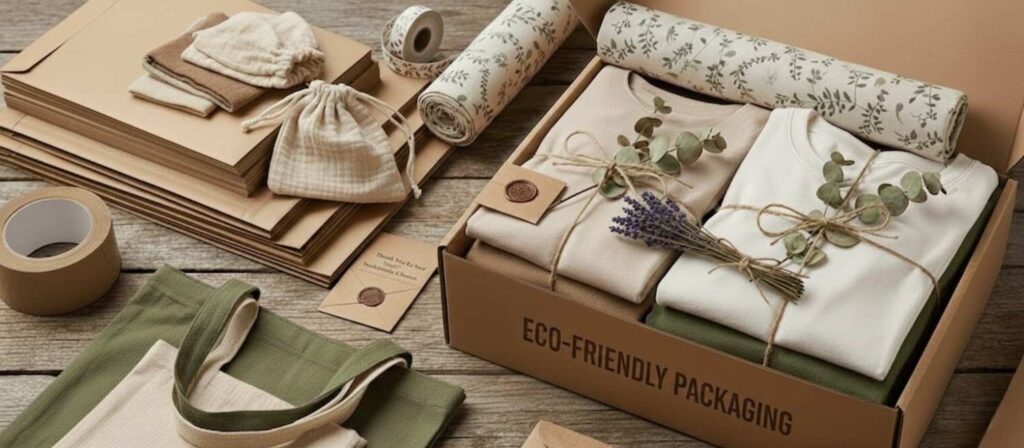
ToggleIn today’s world clothing brands are increasingly aware of the impact their packaging has on the environment. Eco friendly packaging materials for clothing are no longer just a trend. They are becoming a necessity for businesses that want to reduce waste, appeal to conscious customers, and build a sustainable brand image.
Using eco-friendly packaging materials and sustainable packaging helps clothing companies lower their environmental footprint by replacing traditional plastics and non-recyclable materials with biodegradable, reusable, or recyclable options. From recycled cardboard boxes to compostable mailers and reusable cloth bags. There are many eco-friendly solutions that can protect products while being kind to the planet.
Choosing the right packaging not only preserves the clothing during shipping but also communicates a brand’s commitment to sustainability. For small and large apparel brands alike, adopting eco-friendly packaging materials for clothing can improve customer trust, encourage repeat purchases, and position a company as a responsible leader in the fashion industry.
Why Eco Friendly Packaging Matters for the Clothing Industry

Eco friendly packaging materials for clothing are more than just a way to ship products. They play a crucial role in shaping a brand’s image and reducing environmental harm. Today’s consumers pay attention to sustainability, and using responsible packaging can make a significant difference in customer perception. Beyond appealing to eco conscious shoppers, adopting green packaging practices helps clothing brands reduce waste and minimize their carbon footprint.
One key reason to consider eco-friendly solutions is the importance of eco friendly packaging. Brands that switch to biodegradable or recyclable materials not only support environmental protection but also align their operations with growing regulations and sustainability standards. Furthermore, the environmental benefits of eco-friendly packaging extend beyond a single shipment, reducing landfill waste, conserving natural resources, and decreasing the energy required for production and disposal.
By incorporating eco-friendly packaging into clothing operations, companies can demonstrate responsibility, attract loyal customers, and contribute to a healthier planet. It is a simple yet impactful step that makes the brand stand out while making a meaningful difference for the environment.
Environmental Impact of Traditional Packaging Materials
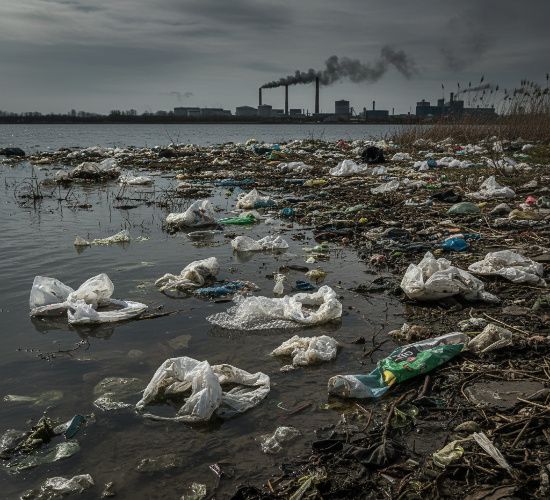
Traditional packaging materials, especially plastics, have a significant effect on the environment. Many clothing brands still rely on plastic bags, bubble wraps, and non-recyclable containers, which take hundreds of years to decompose. These materials contribute to landfill overflow, water pollution, and the release of harmful chemicals into ecosystems.
Understanding the impact of these materials is crucial for clothing companies looking to adopt sustainable practices. The environmental impacts of plastic packaging or waste are far reaching. Plastics not only pollute land and water but also pose a threat to wildlife and disrupt natural habitats. This has led to growing consumer demand for alternatives that are safer and more sustainable. One solution is exploring sustainable solutions to plastic packaging.
These options include compostable bags, biodegradable films, and recycled materials that perform the same protective functions without harming the environment. By recognizing the environmental toll of traditional packaging, clothing brands can make informed choices. Moving toward sustainable materials not only reduces waste but also strengthens brand credibility and aligns the business with modern sustainability standards, meeting the expectations of eco-conscious consumers.
Eco Friendly Packaging Materials Commonly Used for Clothing
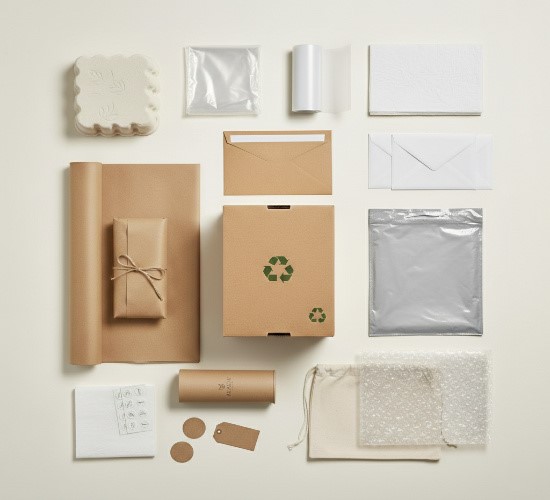
Clothing brands have a variety of eco friendly packaging materials to choose from, each designed to reduce environmental impact while protecting products. Recycled paper, cardboard, and other sustainable materials are now widely used instead of traditional plastics. These materials can be recycled easily and often come from post consumer waste, making them a responsible choice for apparel brands.
Using eco friendly packaging is better than traditional materials and provides multiple advantages. Not only do these materials reduce pollution and landfill waste, but they also communicate a brand’s commitment to sustainability. Many small clothing businesses are adopting sustainable packaging materials for small businesses such as kraft paper mailers, biodegradable bags, and reusable cloth packaging.
These options are lightweight, affordable, and versatile, making them ideal for shipping, in-store presentation, or subscription boxes. By integrating these materials, brands can create a positive impression on customers, maintain product safety, and reduce their environmental footprint.
Eco friendly packaging materials for clothing are no longer optional. They are an essential part of modern brand strategy that balances aesthetics, functionality, and sustainability.
Choosing the Right Packaging Material for Clothing Products

Selecting the right packaging material is crucial for protecting clothing products while maintaining sustainability. Different types of apparel require different levels of protection and the packaging should reflect both the size and fragility of the items. For example delicate fabrics like silk may need padded mailers, while heavier garments can be shipped in sturdy recycled cardboard boxes.
Understanding the right packaging material for your product helps brands balance durability, sustainability, and cost. Choosing the correct size and type ensures that the clothing arrives in perfect condition, reduces waste from damaged goods, and enhances the customer experience.
Additionally, knowing the correct way to read product dimensions is essential. Accurate measurements allow brands to pick packaging that fits well, minimizing empty space and reducing the need for filler materials.
By carefully considering the type of material and the size of each product, clothing brands can adopt eco-friendly packaging materials for clothing without compromising protection. Thoughtful choices in packaging also demonstrate professionalism and sustainability, which builds trust with customers and strengthens brand reputation.
Sustainable Packaging Solutions for Clothing E Commerce Brands

For clothing e-commerce brands, sustainable packaging is more than a trend. It is a key factor in creating a responsible brand image. With online shopping on the rise, packaging must not only protect the products but also reflect the brand’s commitment to the environment. Choosing eco-friendly packaging materials for clothing can help reduce waste while enhancing the unboxing experience, which is a critical part of customer satisfaction.
Many small online clothing brands are turning to custom sustainable packaging solutions for small e-commerce brands. These options are designed to fit products perfectly, reduce material usage, and use recycled or biodegradable materials. Along with this, paying attention to why product labeling is so important in branding can make a significant difference. Clothing e-commerce brands can enhance their sustainability and customer experience by using eco-friendly packaging materials for every shipment.
Clear and well-designed labels not only provide essential product information but also reinforce the brand’s identity and commitment to sustainability. By combining smart material choices with effective labeling, clothing e-commerce brands can create packaging that protects products, impresses customers, and contributes to a greener future. Eco friendly packaging is now a vital part of building trust and loyalty in the online retail space.
Custom Clothing Packaging Ideas That Are Eco Friendly
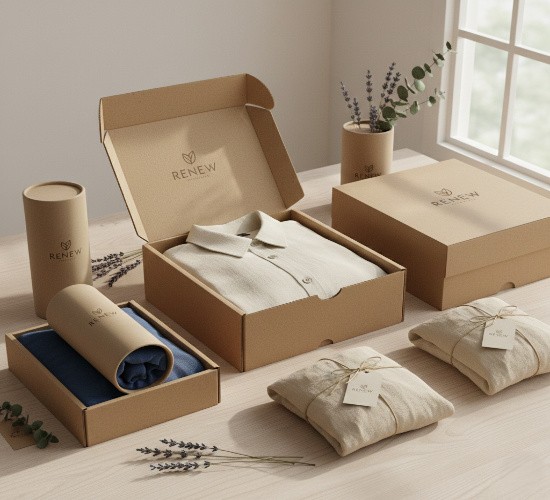
Creating unique and eco-friendly packaging for clothing allows brands to stand out while staying sustainable. From t-shirts to premium garments, custom packaging can be both attractive and environmentally responsible. Choosing materials like recycled cardboard, Kraft paper, and paper tubes ensures products are protected during shipping without harming the planet.
Custom clothing boxes design ideas provide inspiration for creating boxes that are tailored to the size and style of your garments. Simple, reusable packaging not only looks professional but also encourages customers to keep and reuse the boxes. Similarly, T-shirt packaging ideas focus on compact and sustainable solutions that maintain the garment’s shape and presentation while minimizing waste.
Another innovative option is the benefits of paper tube packaging, which offers sturdy protection for rolled items like scarves or posters and is fully recyclable. By using these eco-friendly packaging materials for clothing, brands can combine sustainability with creative design. Thoughtful packaging creates a memorable unboxing experience, reinforces brand identity, and demonstrates a commitment to the environment.
Lessons Clothing Brands Can Learn from Food and Bakery Packaging

Clothing brands can gain valuable insights from food and bakery packaging practices, especially when it comes to eco-friendly solutions. The food industry has long focused on using materials that are protective, sustainable, and visually appealing. Applying these lessons to clothing can help brands enhance both functionality and customer experience. Understanding the environmental impact of food packaging helps clothing companies see how even small choices in materials can make a big difference.
Similarly, eco-friendly packaging ideas for bakeries showcase creative ways to use recycled paper, compostable trays, and reusable containers, all of which can inspire apparel packaging solutions. Brands can also take cues from custom bakery boxes packaging, where designs are tailored to the product’s size and shape, improving presentation and reducing waste.
Finally, tips on how to make your custom cake boxes more attractive demonstrate how thoughtful design elements can enhance customer perception a strategy clothing brands can adapt for eco-friendly garment packaging. By observing these practices, clothing brands can combine sustainability with design, creating packaging that protects the product, supports the environment, and delights customers.
Packaging Materials That Are Used Across Multiple Industries

Some packaging materials are versatile and can be used across different industries, including clothing, food, and lifestyle products. Learning from these materials allows clothing brands to choose options that are both sustainable and practical, ensuring product safety while reducing environmental impact.
For instance, Mylar bags and their benefits show how durable, lightweight, and recyclable packaging can protect products from moisture and damage. Similarly, tips for how to choose the best coffee packaging highlight how materials that preserve freshness in food can also inspire clothing brands to maintain garment quality during shipping.
Packaging formats like pint vs quart Chinese takeout boxes demonstrate how size variations and sturdy designs can be adapted for apparel items of different dimensions. Additionally, custom food packaging for restaurants provides insights into creating tailored packaging solutions that enhance presentation while remaining eco-friendly, a concept that clothing brands can adopt for customized boxes or bags.
By exploring packaging materials used in multiple industries, clothing brands can make informed decisions, combining durability, sustainability, and visual appeal to create packaging that aligns with both product and brand values.
Future of Eco Friendly Packaging Across Fashion and Lifestyle Brands

The future of packaging in fashion and lifestyle industries is leaning strongly toward sustainability. Consumers are increasingly looking for brands that demonstrate environmental responsibility, and clothing brands that adopt eco-friendly packaging materials for clothing are setting themselves apart. Innovations in biodegradable, recyclable, and reusable packaging are creating new opportunities for brands to reduce waste while improving the customer experience.
A good example of cross-industry inspiration is seen in eco-friendly cosmetics packaging ideas. Many cosmetic brands have successfully implemented sustainable packaging that is both functional and visually appealing. Clothing brands can learn from these ideas by adopting similar materials, such as compostable mailers, recycled boxes, or reusable pouches, to enhance their eco-friendly efforts.
As technology advances and consumer awareness grows, it is likely that more innovative materials and designs will become available, making sustainable packaging the standard rather than the exception. By staying informed about trends and innovations, clothing brands can continue to improve their packaging strategies, reduce environmental impact, and meet the expectations of eco-conscious customers.
Sustainability is no longer an option.it is a core element of modern brand identity. Eco-friendly packaging materials will shape the future of clothing by reducing waste and supporting sustainable, reusable, and recyclable solutions.
Conclusion
Eco-friendly packaging materials for clothing are essential for modern brands aiming to reduce environmental impact and appeal to conscious consumers. From recycled cardboard boxes and Kraft paper mailers to reusable cloth bags and biodegradable films, sustainable packaging protects products while promoting a responsible brand image.
Clothing companies that adopt these materials can enhance customer trust, improve loyalty, and stand out in a competitive market. By choosing the right eco-friendly solutions, brands not only reduce waste and carbon footprint but also position themselves as leaders in sustainability. Embracing green packaging is now a smart, future-ready strategy.

Meet Mary K, the talented author behind PackPaa. With a passion for innovative packaging solutions, Mary shares insights and expertise to elevate your business.